History
Here you can find the whole history of our pub, from when it was first built right up to the current owners.
-
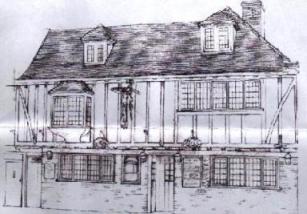
- First built in 1593 as a house for Robert Budden who was a woollen drayper of Canterbury. He also owned two other properties in the city
-
- When sold by his widow in 1638, a leather merchant called Solomon Buesden bought and sold hides from the house for many years
-
- Solomon died in 1661 and the family business went to his son Isaac, however in 1664 he applied for a licence to sell ales from the premises. It was only known as an ale house in St. Dunstans
-
- When Isaac died in 1692, his brother Jacob took on the ale house and registered the house under the name “The Unicorn”
-
- Jacob kept The Unicorn until 1708, when he sold it to Thomas Snelling the shoemaker. He kept it until 1712 where he sold it to Henry Nat Vile who was granted a full licence for the house.
-
- He kept it until his death 1736, where his daughter Susannah inherited it and she ran The Unicorn as well as being a milliner. Susannah sold The Unicorn in 1741 to Stephen Stokes
-
- Stephen changed the name to “The Star” but this proved unpopular and the following year changed it back to “The Unicorn” and he kept it until 1763 when he sold it to Phillip Watson
-
- Watson leased the pub to various people including Zacharia Powell and William Norris but then Watson sold the house to Francis Giles in 1780 who was a fellow brewer
-
- Nathan Salmone took the lease on and stayed til 1787, being succeeded in that year by James L. Fisher. Before the end of the 18th Century there were 3 other innkeepers: 1794 Thomas Sewell, 1796 Frederick Solley and 1799 Thomas Patcher
-
- While in the hands of Patcher The Unicorn became known as a ‘bawdy house’ and between 1802 and 1808 certain affrays took place resulting in jail time for the accused
-
- Patcher himself was fined 8 pounds for keeping ‘a disorderly and bawdy house’ and in 1810 he gave up The Unicorn to Thomas Wraight
-
- Wraight was succeeded by John Holmes who kept the house until 1833, where Isaac Ratcliffe became innkeeper
-
- Ratcliffe was succeeded by by Alfred Foreman in 1851, then by James Partiss in 1865 then by James Roberts in 1873
-
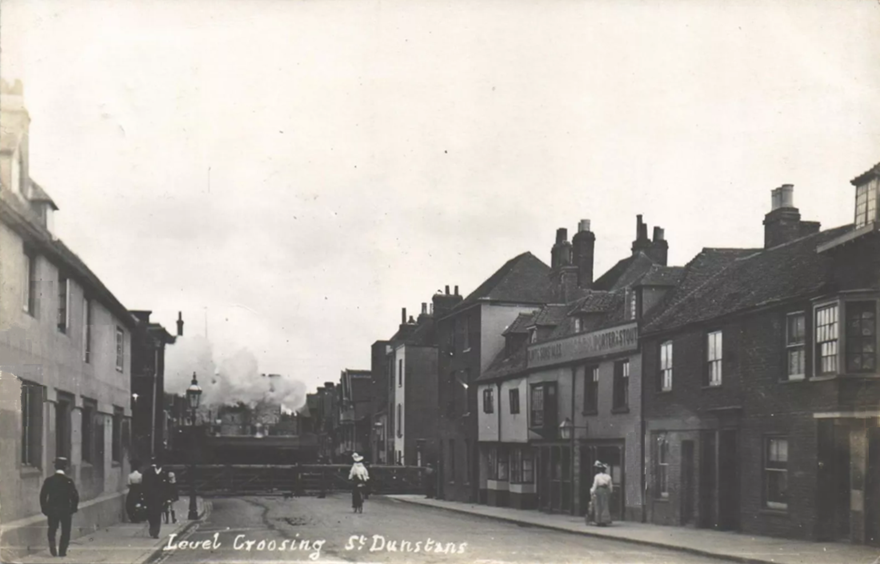
- Roberts was succeeded by George Jordan in 1889, by William Benson in 1894, by George Blackman in 1897, by James Draper in 1902. Whilst in his hands, the Unicorn was sold to Flint & Sons, owners of the nearby St. Dunstan’s Brewery. In 1924 Flint’s was acquired by Alfred Leney & Co of the Phoenix Brewery, Dover, who in turn merged with Fremlin’s of Maidstone in 1926. The Unicorn remained a Fremlin’s house until 1967 when Whitbread took them over and soon afterwards, closed the Maidstone Pale Ale Brewery. Beers (brewed at the old George Beer & Rigden Brewery, Faversham) were then supplied by Whitbread Fremlin’s until 1990 when the Faversham Brewery was closed. In the mid-1990s Whitbread PLC exited the British pub market and sold all its pubs to non-brewing, Pub Operating Companies. As a result, since 1995, the Unicorn has been owned/supplied by the PubCo, Enterprise Inns.
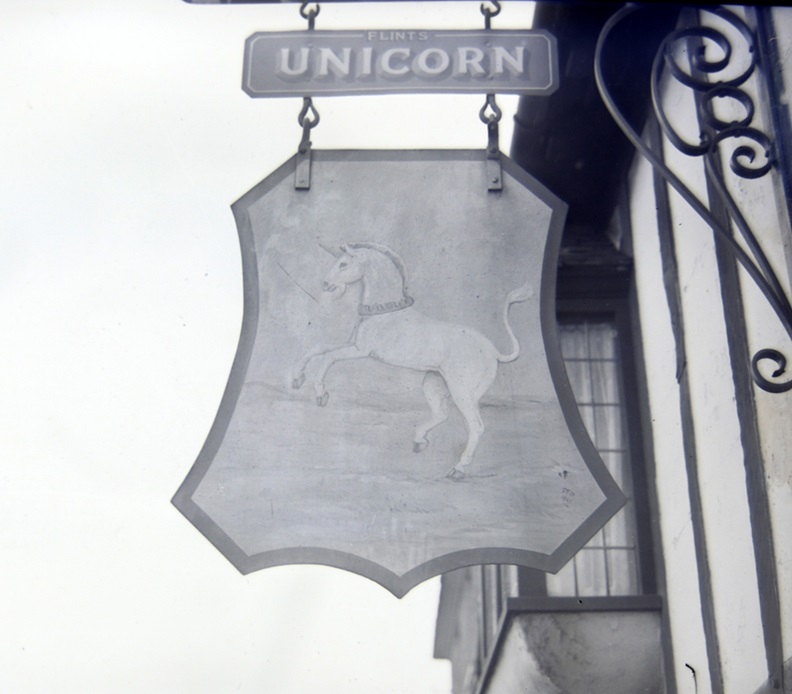
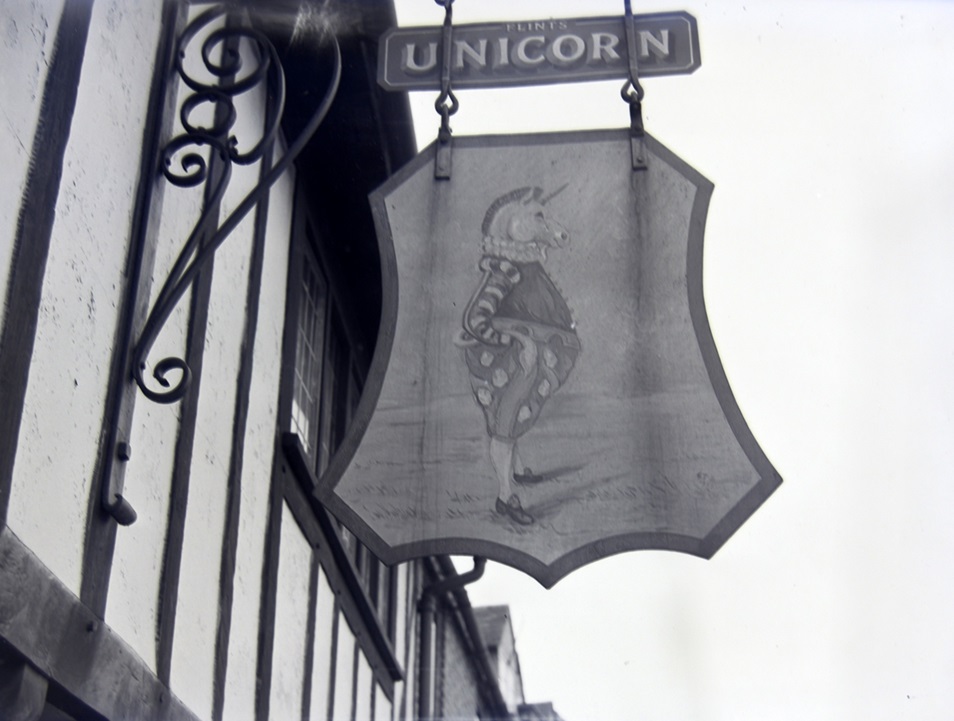
-
- Draper was succeeded by George Minter in 1912, by Charles Fisk in 1921, by William Best in 1923, by Henry Callow in 1932, by Cyril Gerrard in 1937
-
- Gerrard stayed until 1958 when Edward Evans took over and was succeeded by Frederick Evans in 1959, by Donal Stanley White in 1960, by Stanley Newman in 1961, by Bernard George Acton in 1967
-
- In 1982 John Frank Balcombe became the owner who was then succeeded by the current owners Lorenzo Carnevale-Maffe who was joined by David Wilkinson from 2006 until 2014